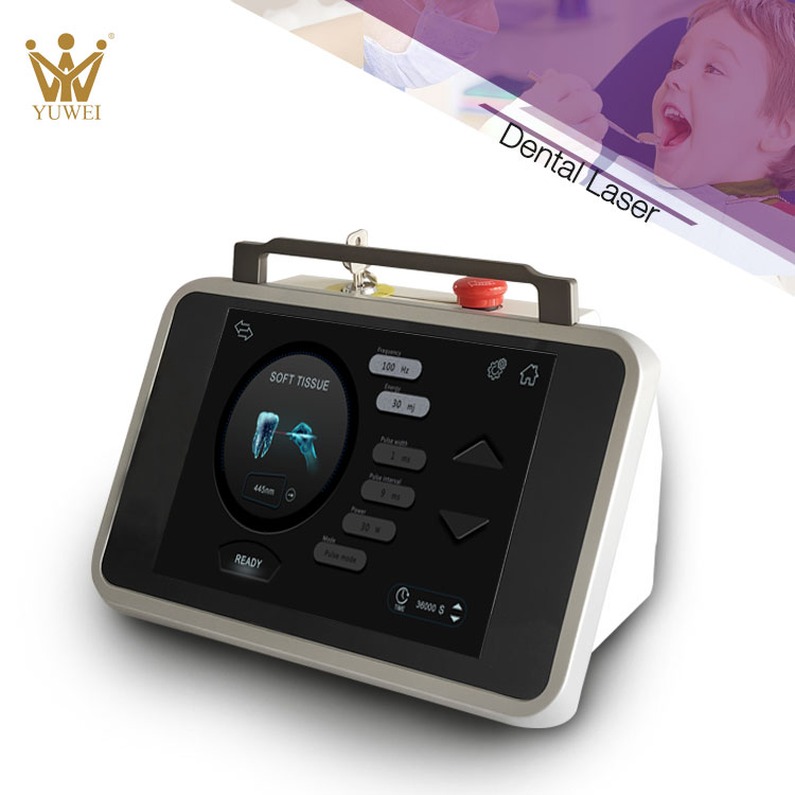
The Application of Dental Laser Equipment in Oral Treatment
Dental laser technology has become a game-changer in modern dentistry, offering precise, minimally invasive, and effective alternatives to many traditional procedures. Since its introduction, laser equipment has increasingly been used for a wide range of oral treatments, from soft tissue surgeries to cavity preparation and teeth whitening. As patient expectations evolve and dental clinics aim for greater efficiency and comfort, the role of lasers in oral care has grown significantly. This article explores the various applications of dental laser equipment in oral treatment, highlighting its benefits, types, and clinical relevance.
What Is Dental Laser Equipment?
Dental lasers are devices that emit focused light energy at specific wavelengths to interact with oral tissues. Depending on the wavelength and power settings, lasers can cut, ablate, coagulate, or stimulate tissues. The two main categories of lasers in dentistry are:
-
Soft tissue lasers: Used for procedures involving the gums and other soft tissues.
-
Hard tissue lasers: Used for working on teeth and bone structures.
Common types of lasers used in dentistry include diode lasers, CO₂ lasers, Nd:YAG lasers, and Er:YAG lasers, each offering specific benefits depending on the clinical scenario.
Applications in Oral Treatment
1. Gum Disease Treatment (Periodontal Therapy)
Dental lasers are widely used in treating gum diseases such as gingivitis and periodontitis. Lasers can remove infected tissue and bacteria from periodontal pockets without cutting the gum. They also help sterilize the area and promote faster healing.
Benefits:
-
Reduced bleeding
-
Less discomfort
-
Quicker recovery
2. Cavity Detection and Preparation
Hard tissue lasers, such as Er:YAG, can detect and remove decayed tooth structure with precision. This approach often eliminates the need for traditional drills and may reduce or eliminate the need for anesthesia.
Benefits:
-
Minimal damage to healthy enamel
-
Quiet and less anxiety-inducing for patients
-
No vibration or heat
3. Soft Tissue Surgery
Procedures such as frenectomies, gingivectomies, and lesion removals are performed efficiently using lasers. Lasers make precise incisions, seal blood vessels simultaneously, and reduce the need for sutures.
Benefits:
-
Less postoperative pain
-
Reduced risk of infection
-
No need for stitches in many cases
4. Teeth Whitening
Laser-assisted teeth whitening is faster and more effective than conventional methods. A special bleaching agent is applied to the teeth and activated using a laser beam, accelerating the whitening process.
Benefits:
-
Shorter treatment time
-
Enhanced whitening results
-
Safe and effective for most patients
5. Root Canal Disinfection
Lasers can be used to disinfect root canals after mechanical debridement. Their ability to reach deep into dentinal tubules allows for better sterilization and reduced post-treatment complications.
Benefits:
-
Enhanced bacterial elimination
-
Reduced inflammation
-
Improved long-term outcomes
6. Biostimulation and Pain Therapy
Low-level laser therapy (LLLT) is used for pain management, reducing inflammation, and stimulating tissue regeneration. This application is beneficial for treating conditions like TMJ disorders, aphthous ulcers, and post-extraction healing.
Advantages of Laser Use in Oral Treatment
-
Minimally invasive: Less trauma to tissues compared to conventional tools.
-
Faster healing: Promotes tissue regeneration and reduces recovery time.
-
Improved precision: Allows for exact targeting of treatment areas.
-
Less need for anesthesia: Many procedures can be performed without numbing.
-
Reduced infection risk: Lasers sterilize the treatment area during use.
-
Enhanced patient comfort: Quiet operation and less post-operative discomfort.
Limitations and Considerations
While laser dentistry offers many benefits, it is not suitable for all procedures. Limitations include:
-
Higher initial investment for clinics
-
Requires specialized training
-
Limited effectiveness on certain hard tissues (e.g., large restorations)
-
May not completely replace traditional tools in complex surgeries
Clinicians must assess each patient's case to determine whether laser treatment is appropriate. Integration with traditional techniques often provides the best outcomes.
Future Outlook
As technology advances, dental lasers are becoming more compact, versatile, and affordable. Emerging innovations include AI-assisted laser systems, real-time tissue feedback, and integration with digital imaging. These developments will further enhance treatment accuracy and patient experience.
Moreover, patient demand for non-invasive, painless procedures will likely accelerate the adoption of laser systems in general dental practices. With ongoing research and education, lasers are expected to play an even more central role in comprehensive oral care.
Conclusion
Dental laser equipment has transformed the landscape of oral treatment by offering safer, quicker, and more comfortable alternatives to traditional techniques. Whether it's treating gum disease, performing soft tissue surgery, or whitening teeth, lasers offer clinical benefits for both patients and practitioners. As dental professionals continue to embrace innovation, the application of laser technology will remain a cornerstone of high-quality, patient-centered care.
Global Dental Equipment Market Trends and Forecast (2024)
How to choose the right dental treatment equipment for your practice