
Understanding the Applications of 460nm, 650nm, and 980nm Dental Lasers
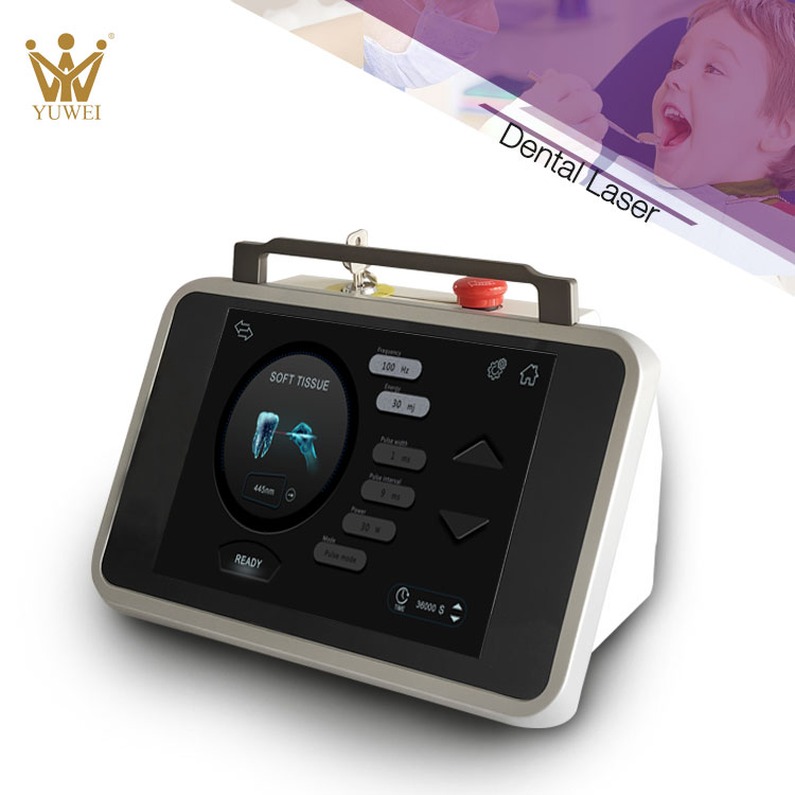
Dental laser technology has revolutionized modern dentistry, offering minimally invasive, precise, and effective treatment options for a wide range of procedures. Among the various wavelengths available, 460nm, 650nm, and 980nm dental lasers each provide unique advantages based on their interaction with different tissue types and absorption characteristics. This article explores the clinical applications and benefits of these three specific wavelengths in dental practice.
1. 460nm Dental Laser – Blue Light Precision
The 460nm wavelength falls within the blue light spectrum and is particularly effective for soft tissue cutting. Its high absorption by hemoglobin and melanin allows for precise coagulation and minimal thermal damage, making it ideal for delicate surgical procedures.
Clinical Applications:
-
Soft tissue surgery (e.g., gingivectomy, frenectomy)
-
Removal of pigmented lesions
-
Hemostasis in bleeding areas
-
Bacterial reduction in periodontal pockets
Benefits:
-
Exceptional precision and minimal collateral tissue damage
-
Enhanced visibility in the surgical field due to coagulative effects
-
Faster healing and less postoperative discomfort for patients
The 460nm laser is especially beneficial in esthetic and pediatric dentistry, where gentle and accurate tissue management is essential.
2. 650nm Dental Laser – Biostimulation and Diagnostics
The 650nm wavelength is situated in the red light spectrum and is widely used for photobiomodulation therapy (PBMT), also known as low-level laser therapy (LLLT). Unlike cutting lasers, it does not ablate tissue but stimulates cellular activity, making it ideal for promoting healing and reducing inflammation.
Clinical Applications:
-
Pain management and inflammation reduction
-
Accelerated wound healing after surgical procedures
-
Treatment of temporomandibular joint (TMJ) disorders
-
Aphthous ulcers and herpes simplex lesions
Benefits:
-
Non-invasive, painless therapy
-
Improved circulation and cellular regeneration
-
Faster recovery times and reduced discomfort
Additionally, the 650nm wavelength is often used in laser fluorescence devices for caries detection, adding diagnostic value to its therapeutic use.
3. 980nm Dental Laser – Versatile Surgical Power
The 980nm diode laser is one of the most commonly used wavelengths in dental laser therapy due to its strong absorption in water and hemoglobin. This allows for effective soft tissue cutting, coagulation, and even some bacterial decontamination.
Clinical Applications:
-
Gingival contouring and crown lengthening
-
Periodontal pocket debridement
-
Endodontic disinfection
-
Treatment of peri-implantitis
-
Minor oral surgeries
Benefits:
-
High surgical efficiency with excellent hemostasis
-
Reduced bleeding, swelling, and need for sutures
-
Shorter treatment times and improved patient comfort
Its versatility and balance between cutting and coagulation make the 980nm laser a popular choice in general and surgical dentistry.
Conclusion
The use of multiple wavelengths in dental lasers—460nm for precise soft tissue surgery, 650nm for biostimulation and diagnostics, and 980nm for versatile surgical applications—allows clinicians to tailor treatments to the specific needs of each patient. By understanding the distinct properties of each wavelength, dental professionals can enhance clinical outcomes, improve patient satisfaction, and expand the scope of laser-assisted dentistry. Investing in multi-wavelength laser systems offers a significant advantage in today’s competitive dental practice.
Endolift Before and After: How Impressive Are the Results?
How to Properly Install and Clean Dental Laser Fibers


