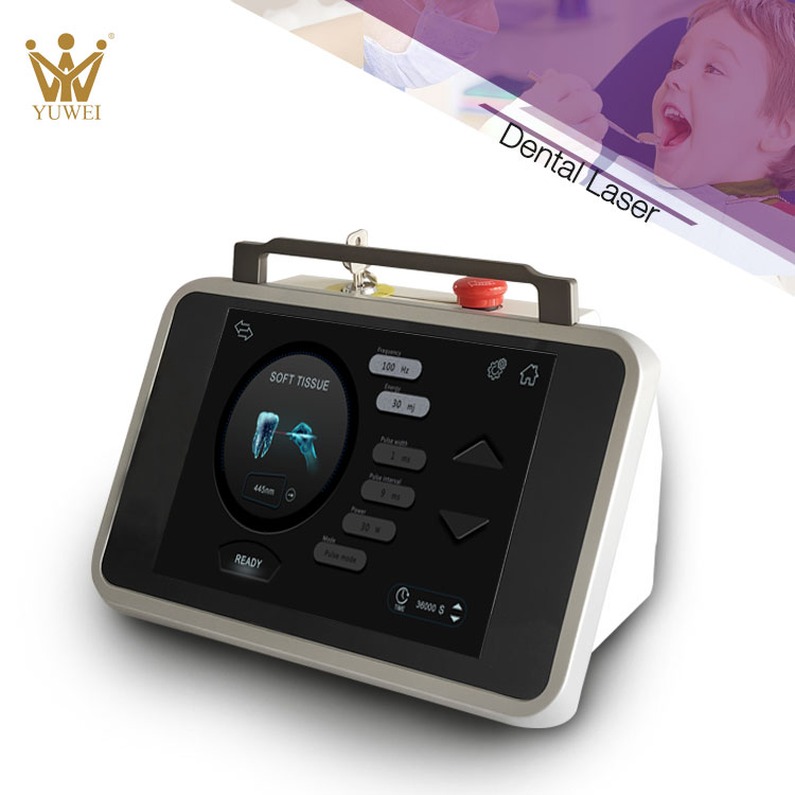
How to Properly Install and Clean Dental Laser Fibers

Dental laser fibers are essential components in laser-assisted dental procedures. They act as the transmission medium, delivering precise laser energy to the treatment area. Proper installation and maintenance of these fibers are crucial for ensuring optimal performance, patient safety, and the longevity of your equipment. This article provides a detailed guide on how to correctly install and clean dental laser fibers to maintain their efficiency and protect your investment.
1. Understanding Dental Laser Fibers
Dental laser fibers are typically made of silica or quartz and are coated with materials such as polyimide or acrylate. These flexible fibers vary in diameter (commonly 200μm to 600μm) and are designed for specific laser wavelengths like 810nm, 980nm, or 1470nm. They are connected to handpieces or laser delivery systems and are used in various applications including periodontics, endodontics, surgery, and whitening.
2. Proper Installation of Dental Laser Fibers
Incorrect installation can lead to poor performance or damage to the laser system. Follow these steps to ensure proper installation:
Inspect the Fiber Before Use
-
Check the fiber tip and coating for any visible damage, cracks, or contamination.
-
Ensure that the connector is clean and free of debris.
Prepare the Fiber
-
If using a bare fiber, it may require cleaving (cutting) to create a fresh, flat end. Use a fiber cleaver designed specifically for dental fibers.
-
For some treatments, initiate the tip by gently burning a pigmented material (like articulating paper) to carbonize the tip. This improves cutting efficiency.
Connect the Fiber to the Handpiece
-
Align the fiber carefully with the laser handpiece or connector port.
-
Insert the fiber fully but without excessive force. It should fit snugly without being loose or too tight.
-
If using a locking mechanism, engage it gently to secure the fiber.
Perform a Power Test
-
After installation, conduct a brief test to ensure the laser energy is being transmitted effectively through the fiber.
-
Check for any signs of leakage, misalignment, or reduced power output.
3. Cleaning Dental Laser Fibers
Maintaining clean fibers is critical to avoid laser power loss, overheating, or cross-contamination between patients. Cleaning should be done before and after each use.
External Cleaning
-
Use lint-free wipes moistened with 70% isopropyl alcohol to clean the outer surface of the fiber.
-
Wipe gently to avoid scratching the fiber coating.
Tip Cleaning
-
If carbon buildup is present on the fiber tip, gently clean it using a soft, dry gauze or an alcohol-soaked swab.
-
Do not use abrasive materials that may damage the fiber or alter the tip geometry.
Disinfection
-
Follow the manufacturer’s instructions for disinfecting the fiber, especially if it is reusable.
-
Most fibers can be disinfected with cold sterilants such as glutaraldehyde or hydrogen peroxide-based solutions. Never autoclave fibers unless specifically allowed.
Drying and Storage
-
After cleaning and disinfection, allow the fiber to dry completely.
-
Store fibers in a clean, dry, and dust-free container to prevent damage and contamination.
4. Common Mistakes to Avoid
-
Using damaged or bent fibers: This can impair laser transmission and potentially harm the patient.
-
Skipping the cleaving step: A poorly cleaved fiber tip reduces efficiency and increases the risk of thermal damage.
-
Over-tightening connectors: Can crack the fiber or damage the handpiece.
-
Improper disinfection: Using incompatible chemicals or excessive heat can degrade fiber coatings.
5. Tips for Prolonging Fiber Life
-
Always use the appropriate fiber size and type for the specific laser wavelength and clinical application.
-
Train staff on proper handling techniques to avoid kinking or stretching fibers.
-
Routinely inspect and replace fibers when performance drops or physical damage is observed.
Conclusion
Proper installation and cleaning of dental laser fibers are vital for achieving safe and effective clinical outcomes. By following the correct procedures and maintaining rigorous hygiene protocols, dental professionals can extend the life of their fibers, ensure consistent treatment results, and maintain a high standard of patient care. Always refer to your equipment manufacturer’s guidelines for specific recommendations related to your laser system.
Understanding the Applications of 460nm, 650nm, and 980nm Dental Lasers
Do Different Wavelengths Require Different Types of Laser Fibers? This Article Explains It All