How to choose the right dental treatment equipment for your practice
Selecting the right dental treatment equipment is one of the most crucial decisions for any dental practitioner. The equipment you choose will directly impact the efficiency of your practice, the quality of care you provide, patient satisfaction, and ultimately, the success of your clinic. With the rapid advancement of dental technology and a growing number of options available in the market, making the right choice can be overwhelming. This article outlines key considerations to help you choose the most suitable equipment for your dental practice.
1. Assess the Specific Needs of Your Practice
Before diving into catalogs or contacting suppliers, take time to evaluate your practice's clinical focus. Are you a general dentist, orthodontist, periodontist, or implant specialist? Each specialty requires different tools and systems. For example:
-
A general dentist may need basic chairs, X-ray machines, and autoclaves.
-
An orthodontist will require digital imaging systems, intraoral scanners, and aligner production tools.
-
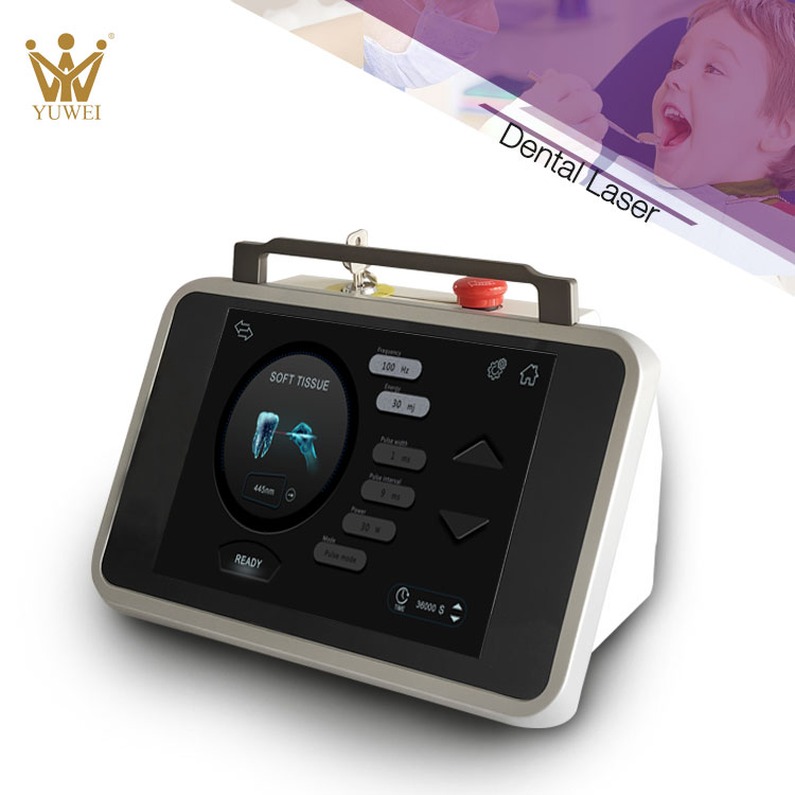
A periodontist may benefit from laser systems for soft tissue treatment.
Also consider the volume of patients you treat daily. A high-volume clinic might require more durable, automated, and ergonomic equipment to reduce staff fatigue and improve efficiency.
2. Prioritize Quality and Reliability
Dental equipment is a long-term investment. Opt for equipment from reputable brands known for reliability, durability, and after-sales support. High-quality equipment minimizes downtime, reduces maintenance costs, and provides consistent performance. Look for certifications such as ISO, CE, or FDA approval, which guarantee that the equipment meets international safety and quality standards.
3. Evaluate Technology and Innovation
Modern dental technology continues to evolve. Incorporating advanced tools such as:
-
Intraoral scanners for digital impressions
-
CAD/CAM systems for same-day restorations
-
Dental lasers for soft tissue treatments
-
3D imaging (CBCT) for precise diagnostics
These systems not only enhance treatment accuracy but also improve patient experience and reduce chair time. While cutting-edge technology may come with a higher upfront cost, it can provide significant returns through efficiency and service expansion.
4. Check Compatibility and Integration
Dental equipment should integrate seamlessly with your current practice management software, digital records, and imaging systems. Equipment with USB, Wi-Fi, or Bluetooth connectivity allows for smoother data transfer and better communication between devices. Integration is particularly important when using intraoral scanners, X-ray units, and digital imaging software.
5. Consider Ergonomics and Workflow
Ergonomic design is not just about comfort—it’s about reducing physical strain for practitioners and improving treatment efficiency. Choose chairs, stools, and handpieces that support proper posture and movement. Equipment layout and positioning should facilitate a smooth workflow between the dentist, assistant, and patient.
Features like programmable chair positions, hands-free controls, or mobile carts can enhance operational convenience.
6. Understand Maintenance and Support Services
Even the best equipment may require service and repairs over time. Choose suppliers that offer:
-
Comprehensive warranties
-
Prompt technical support
-
Access to spare parts and consumables
-
Regular maintenance and calibration services
Reliable support ensures your equipment stays in optimal condition and reduces the risk of costly downtimes.
7. Plan Your Budget Wisely
Determine a realistic budget before making purchases. While it’s tempting to opt for lower-cost options, consider the long-term value instead of short-term savings. Cheap equipment might lack features, require frequent repairs, or become obsolete quickly.
Many suppliers offer financing options, leasing, or installment plans to help clinics manage costs more effectively. Also factor in costs for installation, training, and consumables.
8. Factor in Training and Ease of Use
Modern dental equipment often involves advanced technology that requires staff training. Ensure your team receives proper onboarding to maximize the equipment’s features and avoid misuse. Choose systems with intuitive user interfaces, clear manuals, and supplier-provided training.
This not only shortens the learning curve but also boosts staff confidence and productivity.
9. Plan for Future Expansion
Your practice might grow in the future. Choose scalable equipment that can accommodate increasing patient volume, additional dentists, or new treatment offerings. Modular systems or devices with upgrade options provide more flexibility for expansion without replacing the entire unit.
10. Seek Recommendations and Reviews
Before finalizing any purchase, consult with colleagues, attend dental trade shows, and read online reviews from other professionals. First-hand experiences offer practical insights that product specifications may not reveal. Some manufacturers may also offer demonstrations or trial periods—take advantage of these to test functionality in real-world conditions.
Conclusion
Investing in the right dental treatment equipment is not just about purchasing tools—it’s about shaping the future of your dental practice. By focusing on clinical needs, quality, technological integration, ergonomics, and long-term value, you can make informed decisions that benefit both your staff and your patients.
A well-equipped clinic enhances patient trust, streamlines operations, and opens the door to advanced treatment possibilities. As dentistry continues to advance, your choice of equipment will define your ability to stay competitive, innovative, and patient-focused.
The Application of Dental Laser Equipment in Oral Treatment
Three-in-one instrument for dental treatment