Essential Equipment in Modern Dental Clinics
Modern dental clinics have evolved far beyond the traditional chair-and-drill setting. Today’s dental practices are equipped with advanced technologies that enhance diagnostic accuracy, treatment precision, patient comfort, and operational efficiency. The integration of cutting-edge equipment not only supports better clinical outcomes but also helps build patient trust and streamline workflows. In this article, we will explore the essential equipment every modern dental clinic should have and explain their significance in providing top-quality care.
1. Dental Chair with Integrated Delivery System
The dental chair is the centerpiece of every dental clinic. Modern chairs are designed to offer ergonomic comfort to patients and operational efficiency to dentists. Advanced models come with integrated delivery systems that include handpieces, ultrasonic scalers, intraoral cameras, and touch-screen controls. Features like programmable positions, LED lighting, and adjustable armrests enhance both patient experience and procedural convenience.
2. Digital Radiography (X-ray Machines)
Gone are the days of traditional film-based X-rays. Digital radiography has become a cornerstone in diagnostic imaging. Intraoral and panoramic digital X-ray machines allow dentists to capture high-resolution images in real-time with significantly reduced radiation exposure. These systems often integrate with practice management software, enabling faster diagnosis, better communication with patients, and improved treatment planning.
3. Intraoral Scanners
Intraoral scanners have transformed the way dental impressions are taken. They replace uncomfortable impression trays with handheld devices that quickly capture 3D digital models of the patient’s teeth and gums. These scans are used for creating crowns, bridges, aligners, and other dental appliances with exceptional accuracy. They also enhance patient comfort and save time for both the dentist and the laboratory.
4. Autoclave and Sterilization Units
Infection control is paramount in dental care. Every modern dental clinic must be equipped with high-quality autoclaves that use steam under pressure to sterilize instruments. Complementary equipment like ultrasonic cleaners, sealing machines, and storage cabinets help maintain a strict sterilization protocol. Proper instrument sterilization not only ensures patient safety but also complies with legal and regulatory standards.
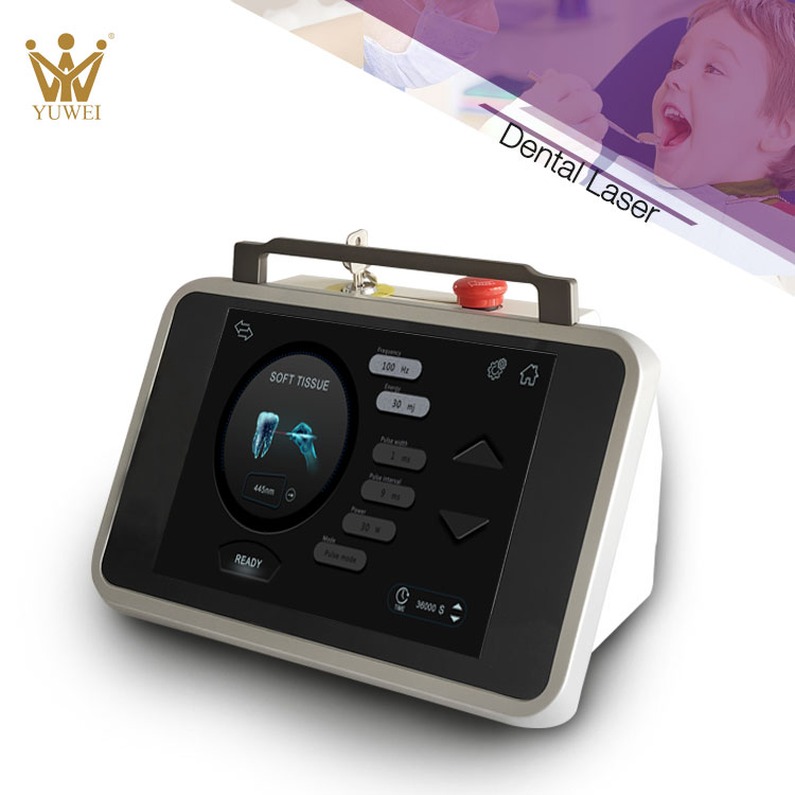
5. Dental Laser Systems
Dental lasers are gaining popularity due to their versatility and precision. They can be used for soft tissue surgeries, periodontal therapy, teeth whitening, cavity preparation, and more. Diode lasers, CO₂ lasers, and Er:YAG lasers are commonly used types. These systems reduce bleeding, minimize post-operative discomfort, and often eliminate the need for sutures, making procedures faster and less invasive.
6. Intraoral Cameras
Intraoral cameras play a crucial role in patient communication and education. These small, high-resolution cameras allow dentists to display real-time images of the patient’s oral cavity on a monitor. They help patients understand their dental condition and the necessity of recommended treatments. Intraoral photography also aids in documentation and insurance processing.
7. Computer-Aided Design and Manufacturing (CAD/CAM) Systems
CAD/CAM technology allows for the in-house design and milling of crowns, veneers, inlays, and other restorations. With a CAD/CAM system, dentists can often complete restorations in a single visit, reducing the need for temporary crowns and follow-up appointments. These systems improve treatment accuracy and increase clinic profitability.
8. Dental Suction and Compressor Systems
Dental suction units and compressors are vital for maintaining a clean and dry working area during procedures. High-performance suction systems remove saliva, blood, and debris, ensuring better visibility and infection control. Compressors supply clean, dry, oil-free air to dental instruments, which is crucial for optimal equipment function and hygiene.
9. Patient Management Software
While not a physical device, dental management software is essential in modern clinics. It allows for efficient appointment scheduling, billing, treatment planning, record-keeping, and communication. Many software platforms now offer cloud-based access, integration with imaging devices, and patient portals that improve overall clinic workflow and patient satisfaction.
10. Emergency Medical Equipment
Every clinic should be prepared for medical emergencies. Essential items include an automated external defibrillator (AED), oxygen tank, emergency drug kit, and vital signs monitors. Staff should be trained to handle emergencies like allergic reactions, fainting, or cardiac arrest. Having this equipment on hand ensures both staff and patient safety.
Conclusion
Equipping a dental clinic with the right tools and technologies is no longer a luxury—it’s a necessity. From diagnostic imaging and sterilization to digital impressions and laser dentistry, every piece of equipment contributes to delivering efficient, safe, and comfortable care. For dentists, investing in essential equipment means not only elevating clinical capabilities but also positioning the practice as a modern, patient-focused healthcare provider. As dental technologies continue to evolve, staying current with essential equipment will be the key to success in the competitive dental landscape.
Best Practices for Maintenance and Management of Dental Instruments
Comparative Study of Laser Technologies in Dental Treatment