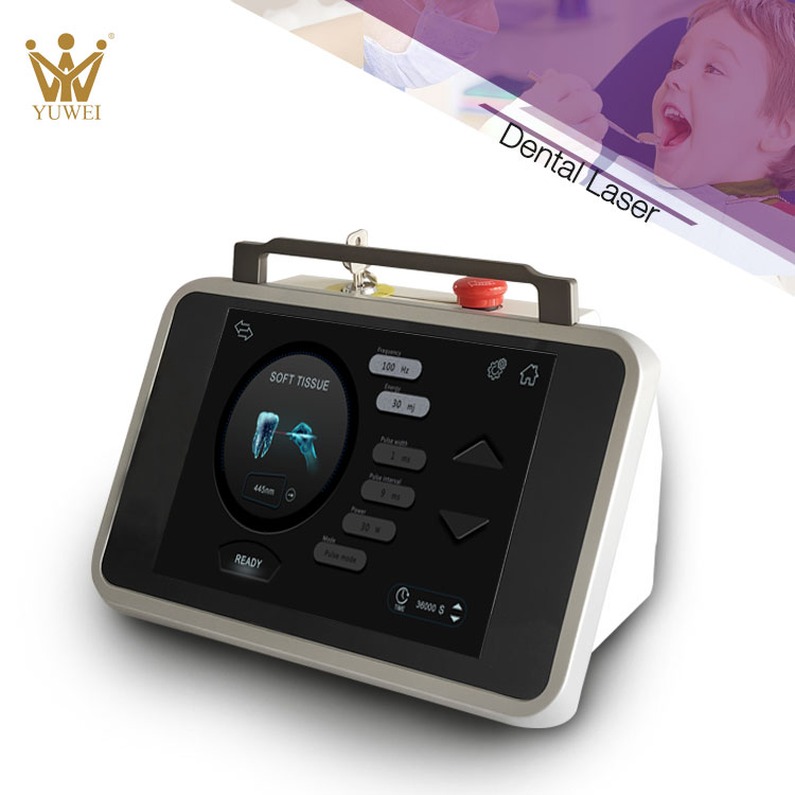
Comparative Study of Laser Technologies in Dental Treatment
Laser technology has revolutionized modern dentistry by offering precision, efficiency, and minimally invasive alternatives to many traditional procedures. Over the past few decades, various types of dental lasers have been developed, each designed for specific clinical applications. The growing adoption of lasers in dental practices is driven by their ability to reduce patient discomfort, minimize bleeding, and shorten recovery times. This article presents a comparative study of the most widely used laser technologies in dental treatment, focusing on their working principles, advantages, limitations, and clinical applications.
1. Diode Lasers
Overview:
Diode lasers are among the most commonly used lasers in dentistry. They typically operate at wavelengths ranging from 810 to 980 nm, and some systems extend to 1064 or even 1470 nm. These lasers are semiconductor-based and are primarily absorbed by pigmented tissues.
Applications:
-
Soft tissue surgeries (e.g., gingivectomy, frenectomy)
-
Periodontal therapy
-
Teeth whitening
-
Low-level laser therapy (LLLT) for pain and inflammation
Advantages:
-
Compact and affordable
-
Easy integration into dental practices
-
High precision with minimal collateral damage
-
Effective coagulation reduces bleeding
Limitations:
-
Limited to soft tissue procedures
-
Cannot be used on hard tissues like enamel or bone
2. Er:YAG Lasers (Erbium:Yttrium-Aluminum-Garnet)
Overview:
Operating at a wavelength of 2940 nm, the Er:YAG laser is highly absorbed by water and hydroxyapatite, making it ideal for both hard and soft tissue applications.
Applications:
-
Cavity preparation without anesthesia
-
Enamel and dentin removal
-
Bone surgery
-
Soft tissue cutting with minimal thermal damage
Advantages:
-
Versatile: works on both soft and hard tissues
-
Minimal pain and noise
-
Less need for anesthesia
-
Faster healing
Limitations:
-
Higher cost
-
Requires more training and experience
-
Slower cutting speed compared to high-speed drills
3. CO₂ Lasers (Carbon Dioxide)
Overview:
CO₂ lasers operate at a wavelength of around 10,600 nm and are strongly absorbed by water, making them highly efficient for soft tissue surgery.
Applications:
-
Excision of lesions
-
Soft tissue ablation
-
Periodontal flap surgery
-
Biopsy procedures
Advantages:
-
Excellent hemostasis and minimal post-op bleeding
-
Reduced bacterial contamination
-
Fast recovery with low post-operative discomfort
Limitations:
-
Large and expensive units
-
Risk of carbonization if not properly used
-
Ineffective on hard tissues
4. Nd:YAG Lasers (Neodymium-Doped Yttrium Aluminum Garnet)
Overview:
The Nd:YAG laser emits light at 1064 nm, which penetrates deeply into tissues and is particularly effective in coagulating blood vessels and disinfecting periodontal pockets.
Applications:
-
Treatment of periodontal disease
-
Deep tissue coagulation
-
Disinfection of root canals
-
Minor soft tissue surgery
Advantages:
-
Deep tissue penetration
-
Powerful bactericidal effect
-
Good hemostasis
Limitations:
-
Higher risk of thermal damage
-
Not suitable for hard tissue applications
-
Requires precise technique
5. 1470nm Lasers
Overview:
Lasers operating at 1470 nm, such as those used in Endolift and soft tissue sculpting, are highly absorbed by water and fat, offering precise tissue vaporization with minimal thermal damage.
Applications:
-
Minimally invasive aesthetic procedures
-
Periodontal therapy
-
Soft tissue incision and coagulation
-
Endodontic treatment adjuncts
Advantages:
-
Excellent absorption in soft tissues and fat
-
Low pain and inflammation
-
Precise targeting and minimal trauma
Limitations:
-
Limited application in hard tissue procedures
-
Often more costly than diode lasers
Clinical Decision-Making Considerations
When selecting a laser system for a dental practice, several factors should be evaluated:
-
Intended Use: Soft tissue vs. hard tissue, surgical vs. cosmetic
-
Wavelength Suitability: Different tissues absorb specific wavelengths differently
-
Budget: Laser systems vary significantly in cost and maintenance
-
Training Requirements: Some systems require extensive training to operate safely
-
Patient Demographics: Pediatric, geriatric, and high-anxiety patients benefit differently from laser treatments
Conclusion
Laser technologies have become indispensable tools in modern dental care. From the affordability and accessibility of diode lasers to the versatility of Er:YAG and the surgical precision of CO₂ and Nd:YAG lasers, each technology serves distinct clinical purposes. As dental practices continue to evolve, integrating the right laser system can enhance treatment outcomes, reduce procedure times, and improve patient satisfaction. Understanding the differences between laser types is crucial for practitioners aiming to deliver safe, effective, and cutting-edge dental care.
Essential Equipment in Modern Dental Clinics
Global Dental Equipment Market Trends and Forecast (2024)