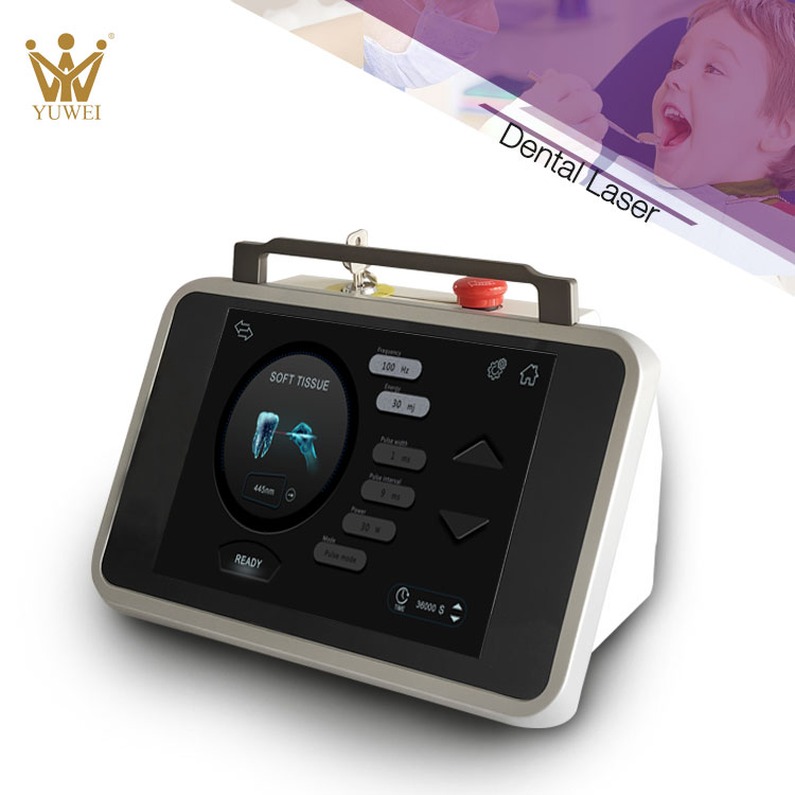
Best Practices for Maintenance and Management of Dental Instruments
Dental instruments play a crucial role in dental treatment, and their maintenance and management directly affect the treatment outcome and patient safety. Therefore, implementing effective maintenance and management practices is essential for every dental clinic. This article explores the best practices for dental instrument maintenance and management, including regular inspection and maintenance, cleaning and disinfection, storage and management, personnel training, and record keeping and tracking.
I. Regular Inspection and Maintenance
1. Regular Inspection
Regular inspection is the foundation for ensuring the proper operation of dental instruments. Schedule weekly or monthly comprehensive checks by professional personnel to examine the wear condition, power cords, connectors, and operational performance of dental instruments. Early detection of issues prevents equipment failure from disrupting the treatment process.
2. Regular Maintenance
Dental instruments require regular maintenance to extend their lifespan. Perform maintenance tasks such as lubrication, calibration, and replacement of worn-out parts according to the manufacturer's recommendations. Ensuring each device operates in optimal condition enhances treatment accuracy and efficiency.
II. Cleaning and Disinfection
1. Cleaning
Immediately clean dental instruments after each use to remove residual dirt and biological material. Use specialized cleaning agents and tools to thoroughly clean each part. For complex instruments, disassemble them and clean each component to ensure there are no dead corners.
2. Disinfection
After cleaning, dental instruments need to be disinfected to prevent cross-infection. Choose appropriate disinfection methods, such as high-temperature autoclaving or chemical disinfection, to ensure effective sterilization. Disposable instruments should be discarded immediately after use to avoid reuse.
III. Storage and Management
1. Proper Storage
Store dental instruments in a dry, clean environment to avoid moisture and contamination. Use dedicated storage cabinets or boxes to protect instruments when not in use. For fragile and precise instruments, use soft pads or shock-absorbing materials for protection.
2. Categorized Management
Classify dental instruments by purpose, material, and frequency of use for effective management. Store different categories of instruments in distinct areas or containers with clear labels for easy retrieval and use. Regularly inspect the storage environment to ensure it meets hygiene and safety standards.
IV. Personnel Training
1. Operational Training
Regularly train dental clinic staff on the correct use and maintenance of dental instruments. Training should cover operating procedures, precautions, and cleaning and disinfection methods. New employees should receive comprehensive training to ensure they possess the basic operational and maintenance skills.
2. Safety Training
Using and maintaining dental instruments involves certain safety risks. Conduct regular safety training to enhance staff awareness and prevent accidents during operation. Training should cover electrical safety, chemical handling, and emergency response.
V. Record Keeping and Tracking
1. Record Management
Maintain detailed records of dental instrument use and maintenance. Records should include dates of use, usage conditions, cleaning and disinfection details, and inspection and maintenance logs. Detailed records help track each instrument's usage and promptly identify and resolve issues.
2. Tracking System
Implement modern tracking systems, such as RFID tags or barcode technology, for managing dental instruments. Each instrument has a unique identification code, and scanning provides access to its use and maintenance records. This systematic management approach improves efficiency and reduces human error.
Conclusion
The maintenance and management of dental instruments are crucial for ensuring dental treatment quality and patient safety. By adhering to regular inspection and maintenance, thorough cleaning and disinfection, proper storage and categorized management, comprehensive personnel training, and detailed record-keeping and tracking, dental clinics can ensure their instruments are in optimal condition and provide efficient and safe treatment services. In the future, with technological advancements, dental instrument maintenance and management practices will become more intelligent and systematic, providing solid support for the development of dental healthcare.
The Differences Between Home Beauty Devices and Professional Beauty Devices
Essential Equipment in Modern Dental Clinics