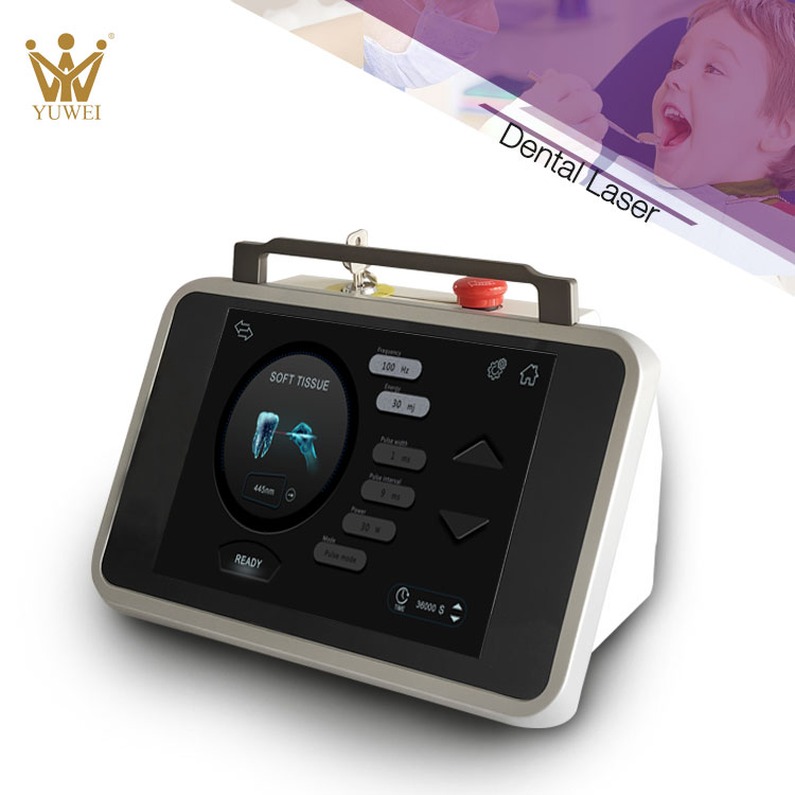
Understanding 980/1470 Dental Lasers: A Modern Solution for Soft Tissue Treatment
With the rapid advancement of dental technology, dental laser devices have become indispensable tools in modern clinical practice. In particular, the 980nm and 1470nm wavelengths are gaining widespread attention for their precision, safety, and effectiveness in soft tissue procedures and periodontal care. These dual-wavelength lasers are now considered a smart, minimally invasive solution for both general and specialized dental treatments. This article delves into how these lasers work, their clinical applications, and why more and more dentists are incorporating them into their daily workflow.
1. What Are 980nm and 1470nm Dental Lasers?
The 980nm wavelength is primarily absorbed by hemoglobin and water, making it highly effective for soft tissue cutting, coagulation, and achieving quick hemostasis. It is especially useful for procedures like gingivectomy, frenectomy, and gingival sculpting, where precision and control are essential. The thermal effect is localized, allowing for accurate cuts with minimal collateral damage.
In contrast, the 1470nm wavelength has a much higher absorption rate in water, producing a more focused thermal impact. This property allows for deep tissue penetration with reduced risk of overheating or damaging surrounding areas. It is ideal for treatments like deep periodontal pocket decontamination, root canal disinfection, and peri-implantitis management. Additionally, 1470nm lasers are known for their bactericidal properties, which make them an excellent tool in infection control.
When combined in a dual-wavelength system, these lasers offer clinicians maximum flexibility, allowing them to switch wavelengths depending on the clinical objective—cutting, coagulating, disinfecting, or remodeling soft tissues.
2. Key Clinical Applications
Dual-wavelength laser systems expand the range of procedures that can be performed in a minimally invasive way. Some of the most common applications include:
-
Gingivectomy and gingival contouring
-
Labial and lingual frenectomy for improved tongue and lip mobility
-
Laser-assisted periodontal pocket debridement
-
Disinfection in root canal therapy (endodontics)
-
Treatment of peri-implantitis without damaging the implant surface
-
Oral lesion removal, such as fibromas or mucoceles
-
Soft tissue biopsy and minor surgical excisions
These treatments not only improve clinical outcomes but also enhance patient experience by reducing discomfort, swelling, and healing time.
3. Benefits for Dentists and Patients
Compared to traditional surgical instruments, 980nm and 1470nm dental lasers provide numerous advantages for both clinicians and patients:
-
Minimized bleeding due to efficient coagulation
-
Less post-operative pain and swelling
-
Faster healing time with reduced need for medication
-
No sutures required in many soft tissue procedures
-
Lower infection risk due to sterilization effect
-
Increased patient comfort, especially among those with dental anxiety
These features align perfectly with modern dentistry's shift toward minimally invasive and patient-friendly approaches. Patients are more likely to accept and complete treatment plans when procedures are less intimidating and recovery is smoother.
4. Smart Technology for Better Clinical Outcomes
Today’s dental laser systems are designed with usability and precision in mind. Most modern units feature:
-
Touchscreen control panels with intuitive settings
-
Pre-programmed clinical modes tailored to specific procedures
-
Ergonomic handpieces and flexible optical fibers for ease of handling
-
Wireless foot pedals for enhanced operability
-
Built-in safety protocols and memory functions for consistent treatment quality
These smart features make it easier for dental professionals to integrate lasers into their workflow, while also ensuring consistent, high-quality care for patients.
5. Conclusion: A Forward-Thinking Investment
The adoption of 980nm and 1470nm dental lasers marks a significant step forward in clinical efficiency, patient satisfaction, and treatment versatility. Whether used for general soft tissue procedures, periodontal therapy, endodontic disinfection, or cosmetic contouring, dual-wavelength laser systems provide outstanding clinical flexibility and long-term value.
For clinics looking to stay ahead in an increasingly competitive market, investing in a dual-wavelength dental laser device is not just a technological upgrade—it’s a strategic move toward modern, minimally invasive, and patient-centered dentistry.
What Treatments Are 1470nm Dental Lasers Suitable For? Why So Many Dentists Choose Them
The Advantages and Applications of the BeauLaser Lee Dental Diode Laser